
Exploring Recoleta Buenos Aires beyond the cemetery
Recoleta Buenos Aires is a historic residential and cultural neighborhood, with the cemetery as one part of a wider visit. Pilar's church and cloisters explain its religious origins; museums, the metal flower of Floralis Genérica and a craft market offer different reasons to spend time outside the cemetery gates. Choose which of these interests you before adding a guided walk.
A neighborhood tour follows streets and public spaces, while a cemetery tour concentrates on the burial ground and its funerary architecture. Keep those choices separate when arranging your day. A street walk is useful for understanding the surrounding buildings; reserve a separate part of your plan for the graves themselves.
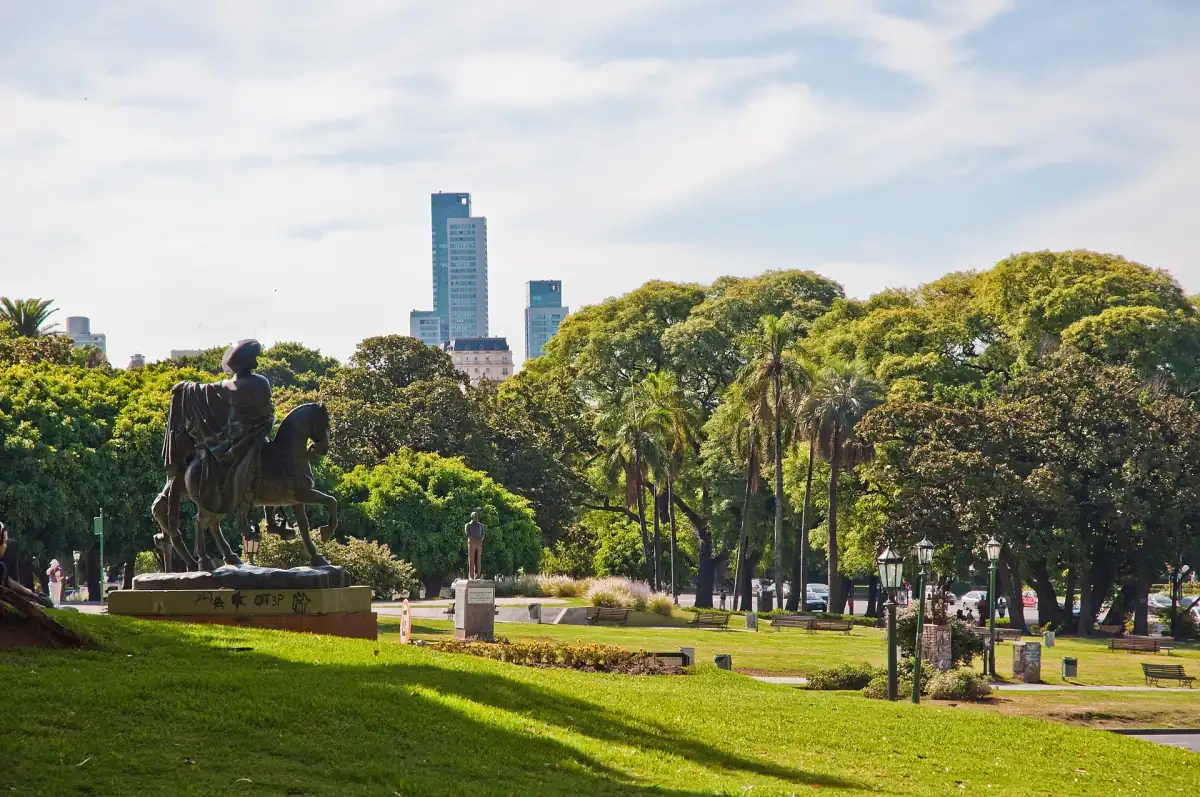
Walks through Recoleta
A guided neighbourhood walk introduces Recoleta, while another includes Retiro and Pilar. The acted walk presents the avenue through historical characters.
Hand-picked tours, booked through GetYourGuide. Prices are indicative starting prices in US dollars (as of November 2026). Tap a tour for live availability and the current price in your currency.
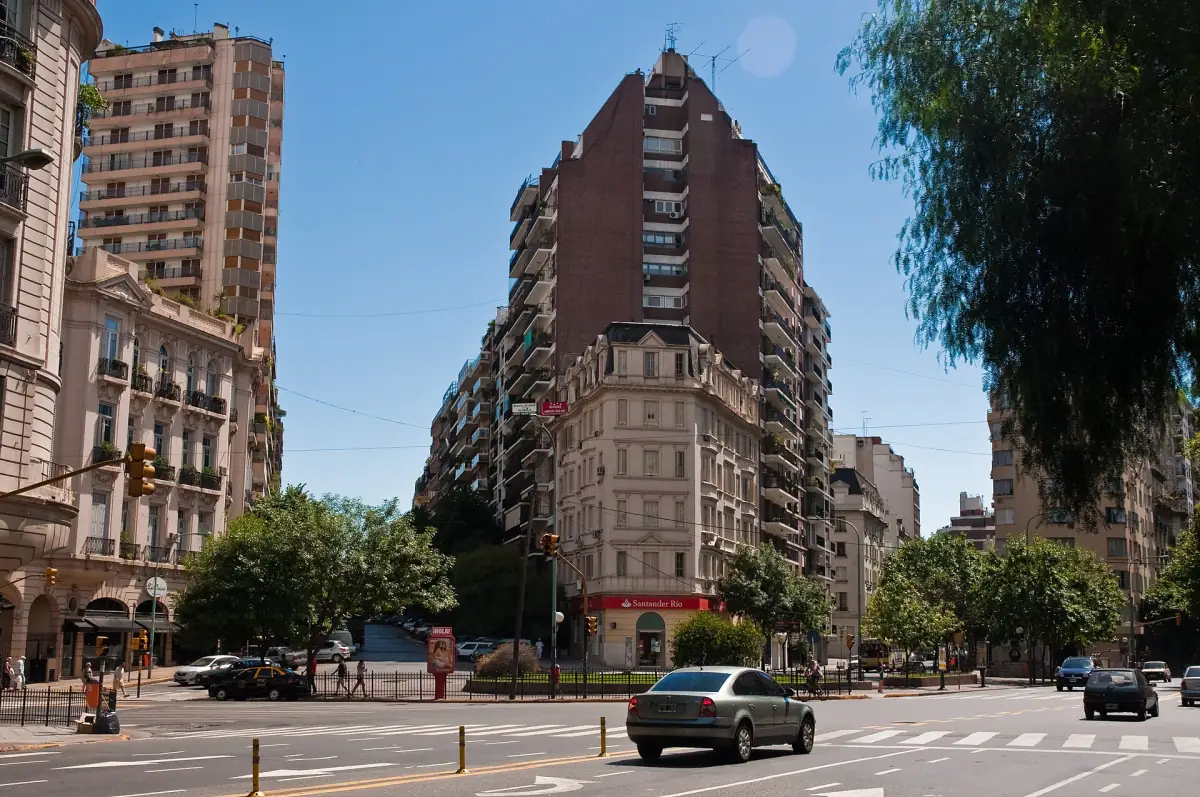
Guided walk through Recoleta
- Guide
- Walking tour
Explore the neighbourhood with a guide.
Check availability →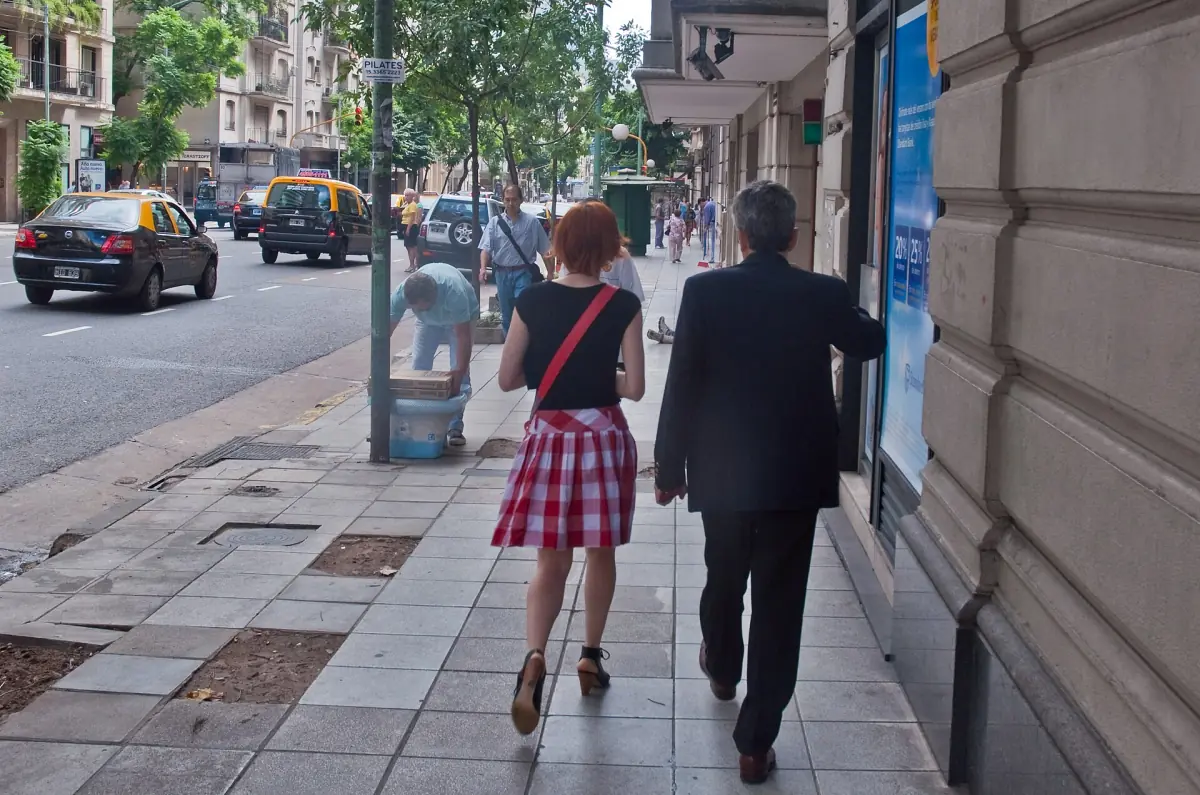
Avenida Alvear walk with actors
- Actors interpreting historical characters
- Exterior views of notable buildings
- History of places and figures
The walking route follows Avenida Alvear.
Check availability →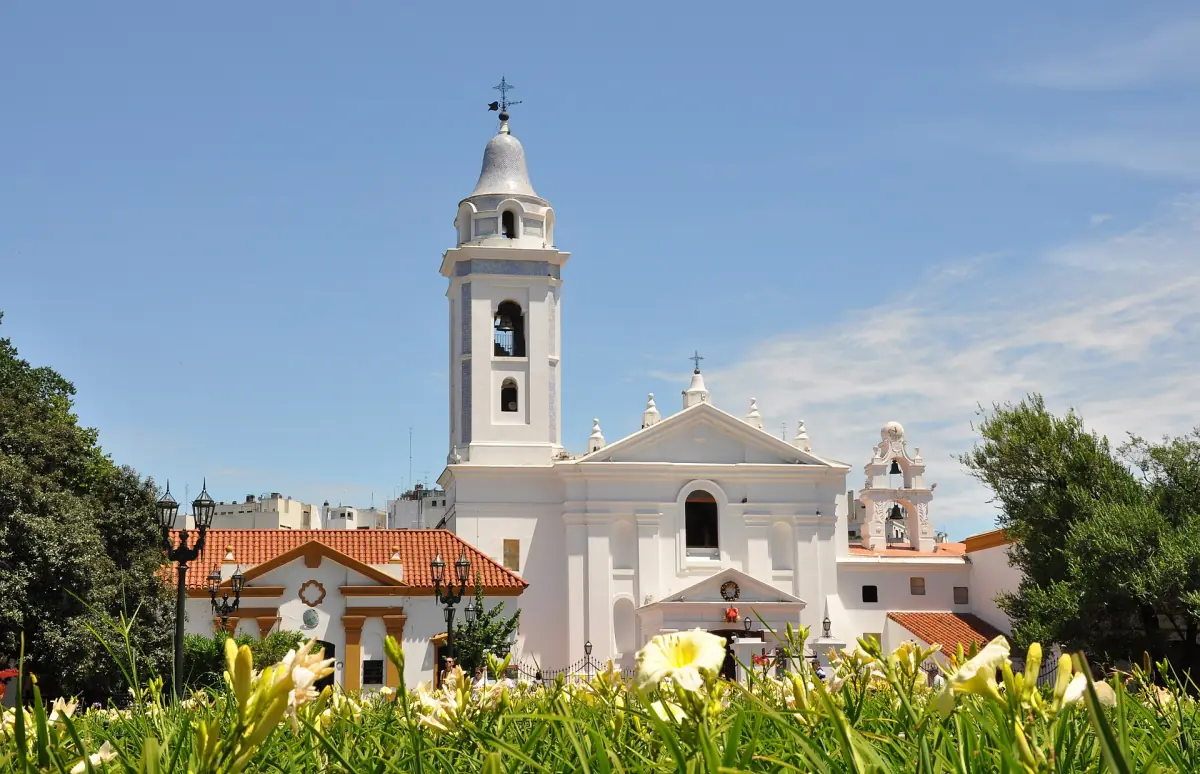
Recoleta and Retiro on foot
- Visit to the Church of Our Lady of Pilar
- Teatro Colón exterior
- Plaza San Martín stroll
Other attraction entry fees are extra.
Check availability →Walks through Recoleta and its streets
Choose a neighborhood walk, a route combining Recoleta with Retiro, or an acted walk along Avenida Alvear. These formats focus on the district rather than a cemetery admission package.
Pilar church, the cloister museum and the architectural ensemble
The Basílica Nuestra Señora del Pilar stands at Junín 1898. Its church was consecrated in 1732, and the former Recollect monastery gave the neighborhood its name. The cemetery was laid out in the basilica's former kitchen garden. Seeing these places as an ensemble helps explain why a burial ground and a church share this part of Recoleta, without treating them as a single attraction with one ticket.
The Museo de los Claustros displays sacred art, liturgical objects and material about religious life in the historic cloister galleries. It has welcomed the public as a museum since 1997. A contribution is requested on entry. Arrange museum visiting times directly with the parish, and plan worship separately from sightseeing. For the burial ground, use the dedicated entrance fee and opening hours guide.
Floralis Genérica and Museo Nacional de Bellas Artes
Floralis Genérica, Eduardo Catalano's metal flower sculpture, stands at Avenida Figueroa Alcorta 2301. It was inaugurated in 2002. A city account from December 2025 records the replacement of its damaged petals, restoring the sculpture's form. Visit for the sculpture itself rather than timing your outing around a promised opening or closing movement.
The Museo Nacional de Bellas Artes provides an art-focused alternative at Avenida del Libertador 1473. Select a museum visit if art is your main interest, or keep the flower as the outdoor focus of your plan. Consult the museum's current visitor information for its exhibitions and entry arrangements. The neighborhood walks offered here each have their own route; the cultural places described on this page are suggestions for your independent planning.
Art, the craft market and El Ateneo
The market often called Feria Plaza Francia is the Feria Artesanal Plaza Intendente Alvear. That name matters when choosing a destination on your map. The city's January 2026 publication gives Saturday and Sunday hours of 10:00 to 20:00, with additional operation on designated public days. Glass, silver, leather and textiles are among the crafts described. Choose a weekend if the market is a priority, and consult the current schedule for your date.
El Ateneo Grand Splendid, at Avenida Santa Fe 1860, adds a bookshop stop to a cultural itinerary. Treat it as a separate destination rather than an included part of every walking tour. Decide whether books, sacred art or the museum will anchor the rest of your day, so the cemetery visit retains its own time and attention.
Neighborhood walking tours and an acted walk
The two-hour Recoleta walking tour includes a guide and a walk, starting at Avenida Presidente Manuel Quintana 596. Travel to and from the meeting point independently. The three-hour Recoleta and Retiro walk starts at Libertad and Viamonte and includes Pilar, Avenida Alvear, Plaza San Martín and exterior views of buildings including Teatro Colón.
For a different approach, the ninety-minute Avenida Alvear walk uses actors and original scripts to interpret figures from the city's upper class in the early twentieth century. It starts at the Plaza San Martín de Tours sign, Adolfo Bioy Casares 1976, and focuses on building exteriors. Choose it for the historical performance format. For an interior cemetery visit, compare the separate private cemetery tours.
Continuing to La Boca
For another neighborhood visit, plan La Boca as a separate outing. Keep this part of your itinerary centered on Recoleta, and use the transport guide to plan your arrival at the cemetery.
Questions about visiting Recoleta
Does a neighborhood walk include cemetery admission?
The walks here cover neighborhood streets, Pilar or exterior architecture according to their route. Arrange cemetery entry separately when planning a visit inside the burial ground.
Where is the craft market?
At Plaza Intendente Alvear. Feria Plaza Francia is its familiar name; use the precise square name when planning your route.
Can I combine Pilar's church and its museum?
Plan them as distinct visits. Contact the parish for the museum schedule and its entry contribution, rather than using worship times as sightseeing hours.